


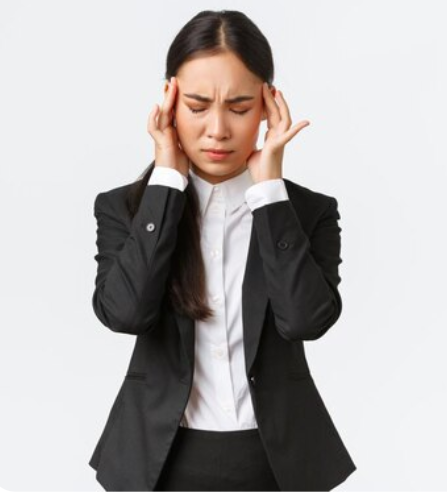
Why Women Suffer More & How You Can Manage It Naturally
Table of Contents
🔍 What is a Migraine?
A migraine is more than just a headache. It’s a complex neurological condition that affects the brain and causes intense, throbbing pain, usually on one side of the head. It often comes with nausea, vomiting, sensitivity to light and sound, and can last from a few hours to several days.
More than 1 in 7 people worldwide suffer from migraines. It is the third most prevalent illness in the world—and significantly more common in women.
⚠️ Migraine Symptoms You Shouldn’t Ignore
Migraine symptoms vary from person to person but usually follow these phases:


- Prodrome (1–2 days before)
- Food cravings
- Mood changes
- Neck stiffness
- Frequent yawning
- Aura (20–60 minutes before the headache)
- Visual disturbances (zigzag lines, flashing lights)
- Numbness or tingling
- Difficulty speaking
- Attack (4–72 hours)
- Intense one-sided headache
- Throbbing or pulsating pain
- Nausea and vomiting
- Light/sound sensitivity
- Postdrome (after the headache)
- Exhaustion
- Brain fog
- Weakness
🛑 What to Do When a Severe Migraine Happens?
Step-by-Step Relief Guide
🔁 Ideal sequence is:
- Trigger control → 2. Pain relief tools → 3. Calming the brain → 4. Sleep/rest if possible
⚠️ Immediate Action (First 5–10 Minutes)

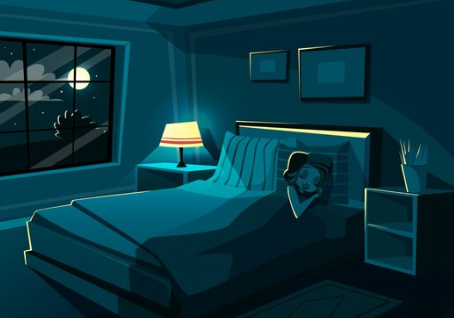
1. Stop Everything — Find a Safe, Quiet, Dark Place
- Lie down in a cool, dark, and silent room.
- Close your eyes, reduce all sensory input (light, noise, phone, screens).
- Tell family not to disturb you.
2. Apply Cold Compress
- Use an ice pack or cold cloth on your forehead, temples, or back of the neck.
- Leave on for 15–20 minutes.
- Cold numbs the nerves and slows blood flow to reduce throbbing.
💊 Next 15–30 Minutes: If You Take Medicines or Remedies
3. Take Your Prescribed Medication
- If your doctor has advised Triptans, Naproxen, or other painkillers, take them as early in the attack as possible.
- Do not delay, as these are more effective at the start.

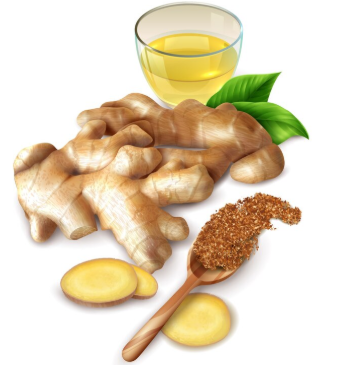
4. Natural Remedies (If Avoiding Allopathic Medicine)
- Drink ginger tea (1 tsp grated ginger boiled in water).
- Inhale lavender or peppermint essential oil (put a few drops on cotton or temple).
- Massage with coconut oil + camphor or eucalyptus oil on scalp.
🌬️ Slow Breathing to Calm the Brain


5. Slow Breathing Techniques
Bhramari Pranayama
- Close your eyes, close ears with thumbs.
- Inhale deeply, and hum “mmmm” like a bee while exhaling slowly.
- Do for 5–7 minutes.
- This vibrational breath calms the vagus nerve and reduces pain perception.
Anulom Vilom – Alternate Slow Breathing
- Sit comfortably or in lie down position
- Close your eyes and take a few deep breaths to relax.
- Close your right nostril with your thumb.
- Inhale slowly through your left nostril.
- Close your left nostril with your ring finger, then release your right nostril.
- Exhale slowly through your right nostril.
- Inhale through the right nostril, then close it with your thumb.
- Release the left nostril and exhale through it.
- This completes one round.
- Repeat for 5–10 minutes, maintaining slow, steady, and silent breathing.


💧 Hydration & Digestion


6. Sip Water with Salt-Sugar-Lemon
- Mix a pinch of rock salt, a tsp of jaggery or raw sugar, and 1/2 lemon in water.
- Dehydration + electrolyte imbalance can worsen migraines.
- Avoid caffeinated drinks unless you’re used to small caffeine doses during attacks.
7. Avoid Food Until Nausea Subsides
- If vomiting or nausea is present, avoid food.
- After nausea subsides, eat light, non-spicy food (boiled rice, sabudana, plain khichdi).
🧘♀️ Physical & Sensory Management
8. Foot Soak or Mustard Foot Paste
- Soak feet in warm water + salt. It draws blood away from the head.
- OR apply a paste of mustard powder + water to soles of feet for 15 mins (traditional remedy).
9. Neck & Shoulder Massage
- Ask someone to gently press around the base of the skull, neck, and shoulders.
- Use oil infused with peppermint, eucalyptus, or camphor.
🛌 Sleep or Rest – Don’t Force Productivity


10. Try to Sleep or Deep Rest
- Darkness and stillness calm brain inflammation.
- Use an eye mask and noise-canceling earplugs if needed.
- Avoid any phone, screen, or loud conversation.
❌ Avoid These During a Migraine Attack
| 🚫 Action | Why to Avoid |
|---|---|
| Bright light, loud sound | Worsens pain and nausea |
| Strong smells or perfumes | Can intensify migraine |
| Heavy food, caffeine (if not regular user) | Can trigger more nausea |
| Head massage during severe throbbing | Increases pain due to blood flow |
| Excess talking or thinking | Activates the brain too much |
✅ After the Migraine Attack (Recovery Phase)
11. Eat Light, Grounding Foods
- Have warm khichdi, moong dal soup, or mashed sweet potatoes or sabudana.
- Avoid oily, spicy, fermented or cold foods.


12. Rest & Reflect
- Sleep, if not done already.
- Make an entry in your Migraine Tracker Journal:
- What triggered it?
- Weather? Stress? Food?
- What helped?
💡 Emergency Alert: When to Call a Doctor or Go to Hospital
Call a doctor immediately if:
- First-time migraine with severe pain or visual problems
- Pain is sudden like a thunderclap
- You experience loss of consciousness, confusion, or slurred speech
- Stiff neck, high fever, or seizures
🧘 Summary Table: Migraine Relief Actions
| Action | Purpose |
|---|---|
| Dark room & cold compress | Block triggers, numb nerves |
| Bhramari breathing | Calm nervous system |
| Ginger tea or lavender oil | Ease nausea & pain |
| Feet in warm salt water | Pull blood flow away from head |
| Hydration & rest | Restore electrolyte balance and heal brain |
💥 Common Migraine Triggers
Understanding what triggers your migraine is key to prevention. Triggers vary widely, but here are the most common ones:
🍫 Dietary Triggers
- Aged cheese, chocolate, processed meat (nitrates)
- Caffeine (or caffeine withdrawal)
- Alcohol, especially red wine
- Citrus fruits (for some individuals)
- MSG, aspartame, fermented or pickled foods
🧠 Emotional Triggers
- Stress or anxiety
- Suppressed emotions
- Emotional trauma or overwhelm
🌦 Environmental & Lifestyle Triggers
- Bright lights or loud sounds
- Sudden changes in weather or barometric pressure
- Skipped meals or dehydration
- Excess screen time or poor posture
- Strong smells (perfumes, smoke)
💤 Sleep-Related Triggers
- Too much or too little sleep
- Irregular sleep patterns
- Sleep apnea or insomnia
👩⚕️ Why Are Migraines More Common in Women?
Migraine affects three times more women than men. The main reason: hormonal fluctuations.
🩸 Hormonal Triggers in Women
- Estrogen drops before menstruation can trigger migraines.
- Migraines often worsen during periods, pregnancy, or perimenopause.
- Use of oral contraceptives or hormone therapy can also influence frequency and intensity.
Bonus Fact: Many women experience fewer migraines after menopause due to hormonal stabilization.
Is Migraine a Disease?
Migraine is not “just a headache” — it’s a neurological condition that affects only certain people due to their unique brain wiring, body chemistry, and inherited sensitivity.
Brain overreaction itself is not a disease, but in people with migraine, their brain is more sensitive and reactive than average—especially to certain triggers like light, sound, stress, or food. This is due to differences in brain wiring, chemistry, and genetics.
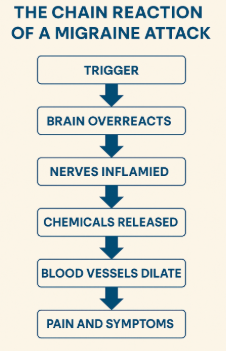
Migraine Chain Reaction
A migraine starts when something triggers the brain to overreact—like stress, lack of sleep, or certain foods. This overreaction sends a wave of abnormal electrical activity through the brain, irritating nerves and causing them to release chemicals. These chemicals cause inflammation and make the blood vessels in the brain swell. As a result, you feel a throbbing headache, often on one side, along with nausea, light and sound sensitivity, and tiredness. It’s like a chain reaction

🌿 How to Prevent Migraines Naturally
✅ Daily Lifestyle Habits
- Follow a consistent sleep-wake cycle
- Eat regular, balanced meals every 3–4 hours
- Stay hydrated (at least 2.5–3 liters/day)
- Limit screen time, use blue-light filters
- Manage stress with yoga, mindfulness, or journaling
🧘 Yoga & Breathing
- Anulom Vilom (alternate nostril breathing)
- Bhramari (humming bee breath)
- Gentle yoga stretches for neck, spine, and shoulders
🧂 Natural Remedies
- Magnesium-rich foods: spinach, pumpkin seeds, bananas
- Ginger tea for nausea and pain
- Essential oils: lavender, peppermint (apply on temples)
- Warm foot soaks or Epsom salt baths
💊 Medical & Holistic Treatment Options
1. Medications (under doctor’s guidance)
- Abortive medications: triptans, NSAIDs (for attack phase)
- Preventive medications: beta blockers, antidepressants, anticonvulsants
2. Supplements
- Magnesium (400-500 mg/day)
- Riboflavin (Vitamin B2)
- CoQ10
- Feverfew or Butterbur (herbal extracts – use with caution)
3. Alternative Therapies
- Acupressure or acupuncture
- Ayurveda (nasya therapy, shirodhara)
- Biofeedback and CBT (for chronic cases)
📝 Migraine Diary: Your Best Ally
Track daily:
- Sleep patterns
- Food intake
- Stress levels
- Menstrual cycle
- Environmental changes
👉 This helps identify and eliminate triggers, customize your prevention plan, and communicate better with your doctor.
🚨 When to See a Doctor
- Headaches last longer than 72 hours
- Worsening frequency or severity
- Unusual aura or neurological symptoms
- You need painkillers more than twice a week
🧘♀️ Empowerment Note for Women
You’re not imagining it. Hormonal migraines are real, biological, and treatable. Learning to listen to your body, align with your cycle, and balance your nervous system can transform your health.
Remember: You’re not weak—you’re wired differently.
📣 Final Thoughts: Can Migraines Be Cured?
While migraines may not be permanently “cured” for everyone, many people have successfully reversed or dramatically reduced them through:
- Natural lifestyle shifts
- Nutrition therapy
- Stress reduction and mind-body alignment
- Identifying root causes (hormonal imbalance, gut health, etc.)
📌 Call to Action
💬 Share this blog with someone struggling in silence.
📓 Start your Migraine Trigger Tracker today.
🧘♀️ Try a 7-day migraine prevention plan with holistic health.
✨ Subscribe to our newsletter for monthly healing tips.
🙋♀️ Frequently Asked Questions (FAQ)
❓1. What is a migraine? Is it just a headache?
No. A migraine is a neurological condition, not just a headache. It causes intense, throbbing pain (often on one side), along with nausea, vomiting, light/sound sensitivity, and fatigue. It can last from a few hours to several days and may include visual disturbances (aura) in some people.
❓2. Can acidity or gas cause migraine?
Yes. Acidity and poor digestion can trigger migraines in many people. When the stomach produces excess acid or becomes bloated, it can irritate the gut-brain axis, leading to nervous system overstimulation. This internal inflammation can activate the brain’s pain pathways. To prevent it, eat on time, avoid spicy/fried foods, stay hydrated, and support digestion with herbs like cumin, fennel, or ginger.
❓3. Why do migraines affect women more than men?
Migraines are 3x more common in women due to hormonal fluctuations, especially changes in estrogen around menstruation, pregnancy, and menopause. Hormones influence brain chemicals like serotonin and CGRP, both of which are closely tied to migraine onset.
❓4. How can I naturally prevent migraines?
Stick to regular sleep, eat balanced meals every 3–4 hours, stay hydrated, and manage stress with yoga, breathwork, or journaling. Avoid common triggers like caffeine, aged cheese, and artificial sweeteners. Gentle yoga, Anulom Vilom, and magnesium-rich foods like spinach and pumpkin seeds also help.
❓5. What should I do during a migraine attack?
Immediately move to a dark, quiet space. Use a cold compress on your head or neck, sip ginger or peppermint tea, and begin slow breathing like Bhramari. Take any prescribed medicine early in the attack. Avoid screens, loud sounds, and strong smells, and try to sleep once pain reduces.
❓6. Can migraine be cured completely?
Migraine doesn’t have a permanent medical “cure” yet, but many people can dramatically reduce or even eliminate attacks with the right mix of lifestyle changes, stress management, hormonal balance, and trigger avoidance. Some find lasting relief through Ayurveda, yoga, acupuncture, or long-term dietary changes. A holistic, personalized approach often leads to freedom from frequent or severe migraines.
❓7. Can stress really trigger a migraine?
Yes. Emotional stress can cause chemical changes in the brain, tighten neck and scalp muscles, and disturb sleep or digestion—all of which are known migraine triggers. Managing stress is one of the most effective long-term prevention tools.
❓8. Should I keep a migraine diary?
Definitely. Tracking your food, sleep, stress, screen time, and symptoms helps identify personal triggers. This empowers you to prevent future attacks and helps doctors tailor your treatment more effectively.
Learn how to heal in Menopause here.
Watch the video in Hindi on headaches here.
External References:
🔗 American Migraine Foundation – What to Do During a Migraine Attack