


Table of Contents
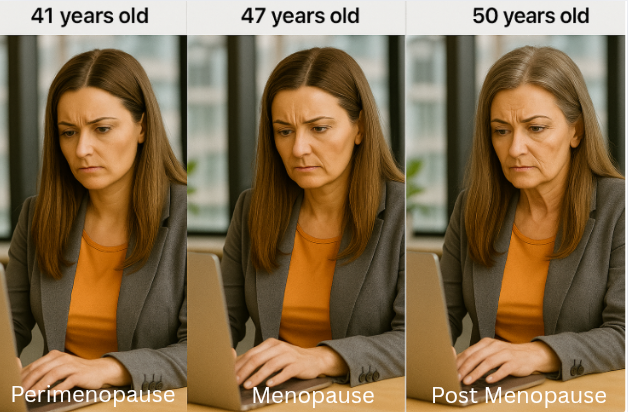
🔄 The 3 Phases of Menopause — Through Siya’s Eyes
Siya was the strong one.
A dedicated project head in a busy IT firm, a mother of teenagers, the supportive daughter-in-law, the friend who never cancelled plans. She carried her world on steady shoulders… until her world began to shift, slowly and silently.
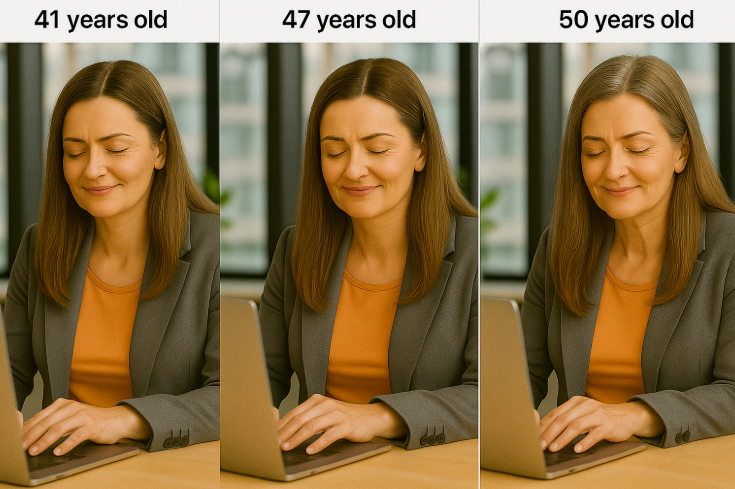
It started at 41.
Her periods became unpredictable—sometimes missing for two months, then coming back with a vengeance.
She began feeling tired all the time. Her sleep, once peaceful, now broke in the middle of the night, soaked in sweat.
At first, she thought it was work stress, or maybe age catching up. But at 43, the mood swings became intense—laughing one moment, snapping the next. She felt foggy, forgetful, and emotionally fragile.
“What’s happening to me?” she wondered.
Still, she didn’t talk. She buried it under the weight of deadlines, family responsibilities, and her own high expectations.
🌘 Siya’s Journey – Perimenopause (Ages 41–45)
This phase was confusing for Siya. Her periods fluctuated, emotions ran wild, and anxiety crept in. Siya didn’t know it was perimenopause—the beginning of her body’s hormonal shift.
“I didn’t even know it had started… until I felt like I was no longer ‘me’.” – Siya
She struggled with:
- Irregular periods and heavy bleeding
- Bloating and digestive issues
- Mood swings and unexplained sadness
- Breast tenderness, brain fog, and aching joints
She blamed herself, her work, her relationships—never realizing it was a biological transition until she went to the doctor for regular health check up and discovered that her perimenopause phase has already started and the next is menopause. The doctor explained her about menopause.
🧬 What is Menopause? A Scientific & Soulful Understanding

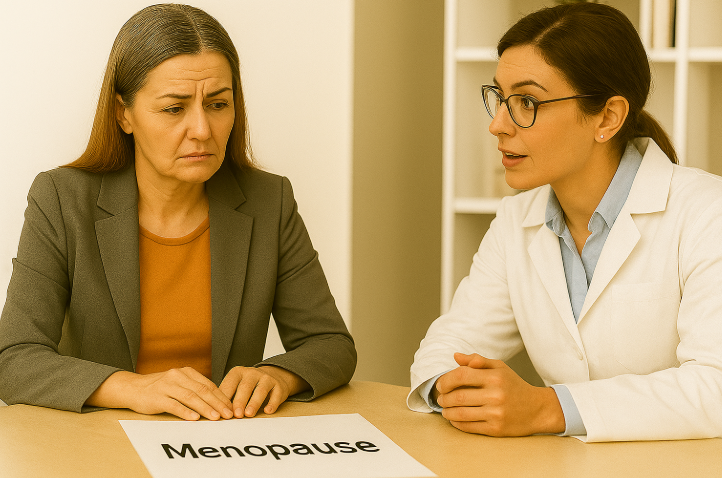
Menopause is a natural biological process that marks the end of a woman’s menstrual cycles and fertility. Scientifically, it is defined as the point when a woman has gone 12 consecutive months without a menstrual period, not caused by pregnancy or any illness.
This transition doesn’t happen overnight. It unfolds gradually through three phases—each with its own emotional and physical landscape. And just like Siya’s journey, every woman’s experience is deeply personal.
🌙 Why Does Menopause Happen?
Menopause is not a flaw in a woman’s body. It is not a failure. It is nature’s way of gently closing one chapter — the reproductive phase — and opening a new one filled with inner clarity, self-reflection, and soulful strength.
🧬 The Science Behind It
Menopause happens when a woman’s ovaries gradually stop producing two key hormones:
- Estrogen: which regulates menstruation, bone health, skin, and mood
- Progesterone: which prepares the uterus for pregnancy and balances emotions


This hormonal decline typically begins in your early 40s (called perimenopause) and ends with menopause — marked by 12 months without a menstrual period.
Ovaries no longer release eggs, and the body’s natural reproductive rhythm gently comes to a pause.
🌿 Siya’s Healing Path — Natural and Gentle
Siya didn’t find healing in pills.
She found it in nature, ritual, rest, and self-love.
Siya began searching for answers when medications only masked her symptoms but didn’t heal her from within. Through heartfelt conversations with elder women and deep reading on holistic wellness, she discovered the power of natural remedies—millets, herbs, rest, and self-care rituals—that helped her reconnect with her body gently and wisely.

🌘 Siya’s Remedies for Perimenopause (Ages 41–45)
She struggled with:
- Irregular periods and heavy bleeding
- Bloating and digestive issues
- Mood swings and unexplained sadness
- Breast tenderness, brain fog, and aching joints
🌿 Siya’s Remedies for Perimenopause:
Focus: Balancing fluctuating hormones, reducing PMS-like symptoms, and supporting mood
- Shatavari tea: balances hormones and soothes mood
- Ashwagandha: reduces anxiety and supports adrenal fatigue
- Seed Cycle – Flaxseeds + pumpkin seeds(2 weeks) & sesame + sunflower seeds (next 2 weeks) to balance hormones reference.
- All Millets in rotation – rich in nutrients, check benefits.
- Leafy Greens: Spinach, Moringa, Amaranth – iron & calcium boost
- Root Veggies: Sweet potato, beetroot, carrots – grounding & nourishing
- Lentils & Sprouts: Moong, masoor – rich in plant-based protein
- Journaling at night: to process emotional overload
- Evening abhyanga (oil massage): with warm sesame oil to calm nerves
✅ Perimenopause To-Do List
🩺 1. Track Your Symptoms
- Irregular periods
- Mood swings, anxiety, irritability
- Sleep issues
- Hot flashes, night sweats
- Weight gain, especially around belly
- Vaginal dryness or low libido
📘 Keep a symptom journal or use a period-tracking app to understand patterns.
🧪 2. Get Key Health Tests
- Thyroid profile
- Hormonal panel (estrogen, FSH, LH, progesterone)
- Vitamin D, B12, Calcium levels
- Lipid profile & blood sugar
- Bone density (DEXA scan if 45+ or symptomatic)
🥗 3. Adopt a Hormone-Supportive Diet
- Add phytoestrogens (flaxseeds, soy, sesame)
- Eat more calcium-rich foods (greens, ragi, sesame, dairy)
- Avoid sugar, caffeine, alcohol, fried food
- Increase fiber for gut health & hormone detox
🧘♀️ 4. Practice Daily Movement & Stress Relief
- 30 minutes brisk walk/yoga/pilates
- Deep breathing (Pranayama)
- Strength training 2x/week (supports bone & muscle mass)
- Meditate or journal to manage mood swings
🌿 5. Try Natural Remedies (After Consulting Doctor)
- Shatavari – supports estrogen balance
- Ashwagandha – stress & mood
- Evening primrose oil – hormonal balance
- Chamomile/Valerian tea – sleep support
- Triphala – digestion & detox
🛏️ 6. Prioritize Sleep Hygiene
- Avoid screens 1 hour before bed
- Herbal tea, warm bath or gentle music
- Magnesium or melatonin if sleep is disturbed
💬 7. Talk Openly & Build Support
- Speak to your doctor about HRT or natural options
- Communicate with family about emotional changes
- Join a women’s health community or support group
🧠 8. Mental & Emotional Wellness
- Accept that mood shifts are normal
- Practice self-compassion
- Reduce toxic people/work
- Take breaks for joy and hobbies
🌑 Menopause (Around Age 47)
By 47, her periods had completely stopped. For 12 months, there was silence—and that’s when doctors confirmed she had entered menopause.
“I stopped bleeding, but the fire within was burning—flashes, anger, guilt, fatigue.” – Siya
This phase is confirmed once a woman has not had a period for 12 months. Estrogen levels drop drastically, and symptoms often peak.
But instead of peace, came:
- Persistent hot flashes and night sweats
- Vaginal dryness and lowered libido
- Sudden anger and guilt
- Deep fatigue, even after rest
She felt isolated. Her body didn’t feel like her own anymore.
🌿 Siya’s Remedies for Menopause:
- Red clover & fennel seed infusion: reduces hot flashes
- Cooling Foods: Cucumber, bottle gourd, coconut water
- Antioxidant Foods: Berries, amla, pomegranate – skin & mood support
- Brahmi & chamomile tea at night: promotes deep sleep and mental calm
- Turmeric milk with nutmeg and ghee: for joint pain and restful sleep
- All Millets in rotation – rich in nutrients, check benefits.
- Calcium-rich foods: Ragi, sesame seeds, curd – for bones
- Nuts & Seeds: Almonds, walnuts, sesame – for good fats and hormones
- Yin yoga and deep breathing before bed: to cool the internal heat
- Rosewater spritz + sandalwood oil: for skin cooling and emotional balance
✅ Menopause To-Do List: Embrace, Nourish, Heal
🌿 1. Support Your Hormones Naturally
- 🌸 Start your day with warm water + soaked fenugreek or flaxseeds
- 🍵 Drink herbal teas (Shatavari, Ashwagandha, Fennel, Chamomile)
- 🧈 Add 1 tsp of ghee daily to your meals
- 🌾 Include millet-based meals (ragi, bajra, kodo, foxtail)
- 🥗 Eat calcium-rich foods (moringa, sesame, leafy greens)
🧘♀️ 2. Move Your Body with Kindness
- 🚶♀️ Walk daily in fresh air or nature
- 🧘 Practice yoga: Surya Namaskar, Yin yoga, or gentle stretches
- 💃 Dance freely – move the emotions stored in your body
- 🏋️♀️ Add strength training (light weights) to protect your bones
😌 3. Calm Your Nervous System
- 🌅 Meditate 10–15 mins daily (focus on breath or chant OM)
- 🕯️ Create a relaxing evening routine with dim lighting and soft music
- 💧 Take warm baths or foot soaks with Epsom salts
- 🛌 Sleep before 10:30 PM and avoid screens 1 hour before bed
📖 4. Nourish Your Emotional Health
- 📓 Journal your emotions — let your feelings have a voice
- ❤️ Talk to someone: a friend, therapist, or support group
- 🎨 Engage in creativity — painting, writing, gardening, or music
- 🌙 Practice saying “No” without guilt and set gentle boundaries
🩺 5. Track & Check In With Your Body
- 🩻 Get regular health checkups (bone density, thyroid, vitamin D, heart health)
- 🧬 Consider natural supplements with guidance (Calcium, Vitamin D, Omega-3)
🌺 6. Create a Sacred Self-Care Ritual
- ✨ Apply warm oil (Abhyanga) before bath — use sesame or brahmi oil
- ☀️ Get daily morning sunlight
- 🌸 Keep fresh flowers or calming scents (lavender, rose) around you
- 🔔 Light a diya or candle in the evening for peace
💖 7. Affirm Your Inner Power
- 🪞 Say loving affirmations daily: “My body is wise. I trust its rhythm.”
“I allow rest, softness, and strength to coexist within me.”
🌼 Bonus: Daily Gentle Reminder
“This is your second spring, not your end.
You are not fading—you are flowering into a new kind of grace.”
🌒 Postmenopause (Now 49 and Evolving)
Now at 49, Siya is slowly learning to befriend her body again. The symptoms are lighter, but the lessons are deeper.
“The storm passed. I found stillness. My body slowed down… and so did my soul.” – Siya
Hormone levels stabilize at low levels. While symptoms reduce, long-term health risks such as osteoporosis, heart disease, and memory decline need attention.
Focus: Strengthening bones, supporting memory, and reducing inflammation
🧠 Common Symptoms:
- Less frequent hot flashes
- Vaginal dryness may persist
- Bone thinning, joint stiffness
- Emotional sensitivity
- Metabolic changes
🌿 Siya’s Remedies for Postmenopause:
- Moringa and amla juice: for bone health and vitamin C
- Soaked almonds + dates: boost energy and support strength
- Calcium Superfoods: Ragi, sesame, moringa, tofu
- Brain-Boosters: Brahmi tea, walnuts, soaked almonds
- Fermented Foods: Homemade curd, kanji, pickled beet – gut support
- All Millets in rotation – rich in nutrients, check benefits.
- Greens & Cruciferous Veggies: Broccoli, kale, methi – detox + hormone harmony
- Light Dinners: Moong dal soup, vegetable stew, millets with ghee
- Meditation with gentle chanting: connects mind and body, reduces stress hormones
- Daily sun exposure: 20 mins for vitamin D
- Triphala at night: aids digestion and reduces toxins
- Light walk barefoot on grass: calms nervous system, balances sleep cycle
She’s realizing that postmenopause is not an end—it’s a rebirth.
She’s calmer, more intuitive, less driven by proving herself.
She no longer hustles to meet others’ expectations.
Now she asks herself, “What does my body need?”
✅ Summary: Precautions to Take After 40
| Focus Area | Natural Precautions |
|---|---|
| Bones | Ragi, sesame, moringa, sunlight, yoga |
| Heart | Millets, omega-3s, low sugar, breathing practices |
| Mind | Brahmi, Ashwagandha, deep sleep, mental stimulation |
| Hormones | Shatavari, Seed Cycle – flaxseeds/sesame, herbal teas |
| Sleep & Mood | Evening rituals, herbal support, digital detox |
She also learned to say “No” without guilt.
To rest when tired.
To honour her emotions—not dismiss them.
Here’s a consolidated list of things she avoided during menopause, combining diet, lifestyle, emotional habits, and environmental triggers — to help reduce symptoms and support holistic well-being:
🚫 Avoid During Menopause
🍽️ Food & Drink to Avoid
- Caffeine – triggers hot flashes, anxiety, and sleep issues
- Refined sugar – causes mood swings, weight gain, inflammation
- Processed & fried foods – increase cholesterol, bloating, and inflammation
- Spicy foods – can worsen hot flashes and digestive problems
- Alcohol – disrupts sleep and hormonal balance
- Carbonated/sugary drinks – reduce calcium and weaken bones
- Red and processed meats – increase heart and inflammation risk
- Excess soy or non-fermented soy – may cause bloating in some women
🧘♀️ Lifestyle Habits to Avoid
- Suppressing emotions – leads to anxiety, sadness, emotional imbalance
- Overworking & ignoring rest – worsens fatigue and hormonal stress
- Skipping exercise or being sedentary – increases risk of weight gain, bone loss, and mood swings
- Lack of sleep or irregular sleep – disrupts hormone regulation and increases irritability
- Constant digital stimulation (phone/laptop) – elevates stress and affects sleep
- Staying indoors too long – disconnects from natural healing and lowers vitamin D
- Ignoring regular health check-ups – risks missing signs of heart, bone, or thyroid issues
🧠 Mental & Emotional Triggers to Avoid
- Negative self-talk or body shaming – lowers confidence and increases mental stress
- Toxic relationships or emotional stress – aggravate mood swings and hormone imbalance
- Holding guilt or shame – creates internal tension and slows healing
- Ignoring your own needs – leads to burnout and emotional depletion
💊 Medical Missteps to Avoid
- Self-medicating with hormones or supplements – without guidance, may worsen imbalance
- Relying only on pills without lifestyle support – treats symptoms, not root cause
🧡 Siya’s Message to Every Woman: A Loving Perspective on Menopause
Menopause is not a disease. It’s not something to “fix” or “fight.”
It’s a rite of passage, a biological and spiritual transformation where a woman moves from productivity… to power.
From bleeding for others… to blooming for herself.
Siya realized this when she stopped seeing menopause as an enemy and started treating it as a sacred messenger.
A call to rest. To listen. To renew.
🧘♀️ Emotional Healing During Menopause


More than physical, menopause is an emotional awakening.
“You are not broken. You are becoming.”
It is a time to turn inward, to release years of holding others, and begin holding yourself with the same care.
Embrace this time to:
- Reflect on your journey
- Set healthy boundaries
- Let go of guilt or regret
- Reconnect with creativity, spirituality, and stillness
⚠️ Health Risks After Menopause (Postmenopause)
While menopause is natural, the drop in estrogen brings certain long-term health vulnerabilities. Understanding them helps us prepare — not fear.
1. 🦴 Bone Loss & Osteoporosis
Why it happens: Estrogen helps maintain bone density. Its decline makes bones fragile.
Risks: Higher chances of fractures, back pain, and posture issues.
Precaution:
- Include calcium-rich foods: ragi, sesame seeds, almonds, moringa
- Add vitamin D: 15-20 min sunlight + supplements if needed
- Do weight-bearing exercises: walking, yoga, light strength training


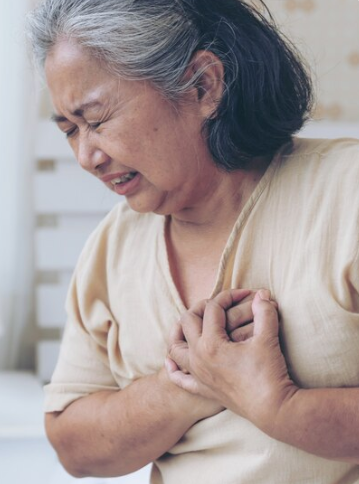
2. ❤️ Heart Disease Risk Increases
Why it happens: Estrogen protects your heart and blood vessels.
Risks: High blood pressure, cholesterol imbalance, and clogged arteries.
Precaution:
- Eat omega-3 rich foods: flaxseeds, walnuts, amla
- Avoid processed, fried, and sugary foods
- Practice pranayama and mindfulness daily
- Get routine blood pressure and cholesterol checks

3. 🧠 Cognitive Decline & Memory Fog
Why it happens: Hormonal changes affect brain function and neurotransmitters.
Risks: Forgetfulness, difficulty concentrating, early signs of dementia
Precaution:
- Add Brahmi, Ashwagandha & almonds to your daily diet
- Challenge your brain: learn something new, play memory games
- Sleep 7–8 hours, deeply and regularly
4. 🌸 Vaginal Dryness & Low Libido
Why it happens: Estrogen maintains vaginal moisture and elasticity
Risks: Discomfort during intimacy, emotional distance, infections
Precaution:
- Use natural oils like coconut or sesame oil for lubrication
- Include Shatavari in your routine for hormone support
- Open, loving communication with your partner helps ease emotional tension
5. 🌙 Mood Disorders & Sleep Disturbance
Why it happens: Hormonal imbalance affects serotonin and melatonin production
Risks: Anxiety, sadness, irritability, insomnia
Precaution:
- Evening chamomile or nutmeg milk to promote restful sleep
- Gentle yoga and journaling to soothe inner turbulence
- Spend time in nature, away from screens and deadlines
💖 Call to Action for Families
Support the Women Who Support You
If there’s a woman in your life who’s 40 or beyond — your mother, wife, sister, or friend of office colleague — pause and check in. This phase is not “just hormonal,” it’s deeply personal. Listen without judgment, offer a helping hand, and make her feel seen. Share in her healing journey, whether it’s attending a doctor’s visit, encouraging rest, or simply asking, “How are you really feeling today?”
👉 Because when you stand by her through menopause, you’re not just supporting her health — you’re honoring her strength.
💫 Call to Action for Women
Menopause is not a disease to be feared — it’s a doorway into deep feminine wisdom, intuition, and inner power.
With the right care, you don’t have to suffer through it. You can move through it gracefully, naturally, and with full awareness — just like Siya did.
Your menopause is not a breakdown.
It is your breakthrough. 🌷
And just like Siya, you too can rise from within.
Menopause: A New Chapter Worth Celebrating—Despite the Challenges?







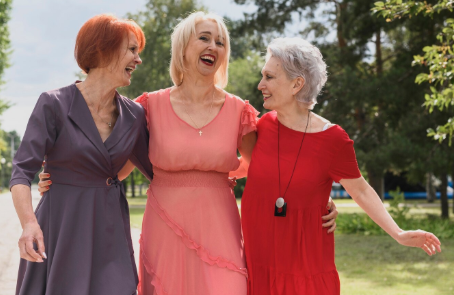


In many parts of the Western world, menopause is increasingly being embraced as a milestone worth celebrating—a symbol of a woman’s liberation from monthly cycles, birth control worries, and societal expectations tied to youth and fertility. Some women throw “menopause parties” with close friends, engage in self-care retreats, or mark the transition with rituals that honor their body’s journey. It’s a conscious shift from shame or silence to pride and empowerment. And yes, it is worth celebrating—because it reframes menopause not as an end, but as a new beginning marked by wisdom, freedom, and self-ownership.
Yes, even with the health risks that may arise post-menopause—like bone density loss, heart disease, or hormonal changes—it is still worth celebrating. This phase signifies a powerful transition into a wiser, more self-aware stage of life. Celebration doesn’t mean ignoring the challenges; it means embracing them with strength, support, and informed choices. Acknowledging the body’s transformation with pride can be the first step toward better health, mental peace, and renewed purpose.
💫 Ready to Support Your Own Menopause Journey?
🌸 Discover healing herbal teas & millet recipes
🌸 Learn natural ways to ease hormonal shifts
🌸 Join a sisterhood that understands
👉 Explore SoulSync Wellness Blogs
👉 Sign up for our Free Menopause Healing Guide
👉 Subscribe to our YouTube channel for free
📸Menopause in Hindi
Check our video on menopause in Hindi here.
Read our blog on Women’s overall health here.
Check our video on common women’s diseases here.
🔗 Helpful Web Resources:
- Harvard Health
- NIH – Menopause: Overview
- Mayo Clinic – Menopause Diet Tips
- Dr. Aviva Romm – Natural Menopause Support
- Dr. Khader Vali’s Millet Healing (for millet-based healing protocols)