


Life is a journey of constant change, filled with moments of joy and times of challenge. Just as the sun rises and sets, happiness and hardship follow each other in rhythm. It’s natural to wish for everything to be smooth, but expecting only good things can leave us unprepared for life’s inevitable trials. Embracing both the highs and lows allows us to grow stronger, wiser, and more resilient with each passing day. Just like birth, death is inevitable and unavoidable. It often brings shock and trauma, but we need to learn to cope & heal. We need to be mentally prepared for the worst in life. We will see what is trauma and how to heal from it.
Table of Contents
What is Trauma?
Trauma is the deep wound we feel inside after a shocking or painful event, like the sudden loss of a loved one or a serious accident. It’s not just about what happened, but how our heart and mind struggle to make sense of it. The brain goes into alarm mode, the body feels restless or numb, and emotions swing between fear, sadness, and disbelief. In simple terms, trauma is the heavy impact left on our mind, body, and spirit when life changes in a way we weren’t ready for.




When someone goes through a sudden shock or tragic loss, the brain’s survival system (amygdala) takes over. Its main job is survival, not reasoning, so it floods the body with stress hormones like adrenaline and cortisol. The logical part of the brain (prefrontal cortex) gets “switched off” or slowed down. That’s why in trauma people may:
- feel confused, forget things, or keep asking “Why did this happen?”
- act on emotions rather than reason
- replay the event again and again instead of processing it rationally
With time, as the nervous system calms and healing practices begin, the logical mind slowly comes back online. 🌿
Trauma for Survivors
The sudden, tragic loss of a loved one or an accident leaves families and friends shaken to the core. The images of the accident scene often overshadow every joyful memory, raising haunting questions: How much painful it would have been? Why did this happen?
The truth is that while the accident itself may look unbearably painful, science and spiritual wisdom both assure us:
The trauma that lingers in the hearts of survivors is far more painful than the final moment of the loved one.
🌀 Understanding Trauma After Sudden Loss
When death comes suddenly and violently, the mind struggles to process it. Instead of just grief, survivors often face:
- Shock (numbness, disbelief, feeling “unreal”)
- Intrusive images (accident replaying in the mind)
- Avoidance (fear of roads, trucks, or anything that reminds them)
- Guilt and anger (“why them?”, “if only…”)
- Physical symptoms (insomnia, heart racing, stomach upset)
This combination is not “just sadness”—it’s traumatic grief, which blends grief with PTSD-like reactions (Post-Traumatic Stress Disorder).
💔 The Weight of Trauma for Survivors
The human heart and mind replay the tragedy endlessly, making the accident itself secondary to the trauma memory. Survivors often:
- Feel guilt (“why them?”)
- Re-experience the accident scene when remembering the person
- Fear roads or travel
- Struggle to recall happy memories without the tragedy intruding
This is why trauma can feel heavier than the death itself—it lingers, reshaping how survivors live, think, and love.
The Nature of Trauma After Sudden Death
When death is violent or unexpected, two things happen inside us:

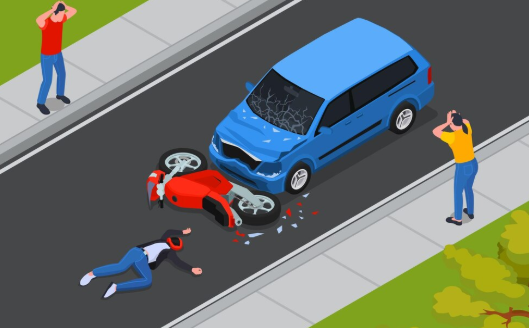
Trauma Imprint – The mind replays the accident or hospital scene again and again. Instead of remembering the person’s smile or presence, the first thought becomes their death.
Existential Shock – The heart aches with questions: “Why them? Why this way? Why now?” Logic fails, because there is no neat reason.
The trauma sits on top of the grief, blocking access to love-filled memories.
The key difference between grief & trauma is:
- Normal grief = sadness, longing, emptiness.
- Traumatic grief/PTSD-like = the mind stuck in the accident scene and unable to move to the happier memories.
👉 The good news: with time, support, and sometimes therapy, these symptoms usually soften. The brain learns it’s “safe” again, and memories of love slowly take the front seat over the accident replay.
🧠 How the Brain Shuts Down in Accidental Cases

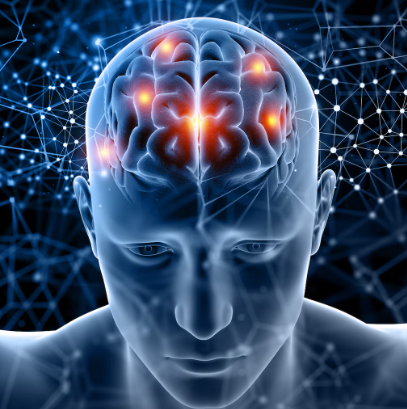
- The Brain Is the “Interpreter” of Pain
- Pain isn’t actually in the body part—it’s in the brain.
- Nerves send signals to the spinal cord → brain. Only if the brain interprets those signals do we “feel” pain.
- Catastrophic Head Injury Breaks the Circuit
- In a massive injury (e.g., head run over by a truck), the very organ that interprets pain is destroyed or disabled instantly.
- The brainstem, which controls consciousness, is damaged immediately → the person blacks out in milliseconds.
- Loss of Consciousness Protects from Suffering
- Just like fainting or anesthesia: once consciousness is gone, awareness of pain is gone.
- Even if the body shows reflex movements, the “person” is not there to experience them.
- Shock Mechanism
- In less extreme injuries, the brain floods the body with endorphins (natural painkillers) and adrenaline, blunting pain perception.
- In extreme trauma, there’s not even time for this—the system simply shuts down.
🔑 Takeaway
In sudden catastrophic trauma, the brain spares the person from suffering by switching off almost instantly. The accident looks unbearably painful to those who witness it, but medically and neurologically, the loved one is unconscious before pain can even register.
🌿 Healing Trauma
Healing does not mean forgetting—it means learning to carry the love without being crushed by the memory of the tragedy.
- Spiritual Reassurance
Hindu scriptures remind us that the soul is eternal, untouched by physical harm. Sudden death is seen as destiny, and the soul moves to its next journey instantly. - Medical Reassurance
Understanding that the loved one lost consciousness immediately. “They did not register the pain”.It was not painful for them.
Together, they tell us: your loved one is safe, beyond pain—and your path now is to heal, honor, and grow from their memory.
Steps Towards Healing
1. Acknowledge the Shock
The first step is accepting that what you are feeling is not “just grief,” but also trauma. The images, the fear, the numbness—these are not signs of weakness, they are the nervous system’s way of responding to horror.
2. Create Safety in Daily Life
When life feels unsafe after a sudden death, routines can help:
- Gentle walks, regular meals, prayer or meditation.
- Limiting overexposure to triggering details (accident reports, news clippings).
- Using grounding techniques when flashbacks hit (touch something solid, breathe deeply, name things you can see/hear/feel around you).
3. Balance the Memory
The accident may come first in your mind. To soften this:
- Build a “memory bank” of photos, objects, or stories that remind you of their life.
- Create rituals—like lighting a lamp and sharing one happy memory each week.
- Consciously pair the accident memory with a life memory: “Yes, this happened… and yes, they were so much more than this.”
4. Lean on Support
Isolation deepens trauma. Talking about what happened with trusted people—family, friends, grief counselors—helps lighten the mind’s burden. Even sharing the hardest details aloud can make them feel less overwhelming.
5. Spiritual Healing Practices
In many traditions, especially in Hindu philosophy, sudden death is seen as part of destiny (prārabdha karma). The soul itself is untouched by physical trauma—it simply continues its journey.
Families often find peace through:
- Chanting mantras like the Mahāmṛtyuñjaya or Om Namah Shivaya.
- Performing śraddha and remembrance rituals.
- Doing acts of charity or service in the loved one’s name.
These practices don’t erase grief, but they transform it into connection and purpose.
6. Professional Help When Needed
If trauma feels stuck—if flashbacks, nightmares, or fear of roads/places continue for months—therapies like EMDR (Eye Movement Desensitization and Reprocessing) or somatic experiencing can help the brain “re-file” the accident memory so it no longer dominates.
10 Healing Practices:


1. Allow Yourself to Grieve Fully
Tears, anger, numbness—every emotion is natural. Suppressing grief deepens trauma. Even in the Mahabharata, warriors and sages openly wept. Giving yourself permission to feel is the first step toward healing.
2. Perform Rituals for Closure
Funeral rites, shraddha, or even a small personal prayer ceremony bring peace to the departed soul and to the family. Rituals provide structure when the mind feels shattered and rootless.
3. Remember the Soul Is Eternal
The body perishes, but the Atman never dies—it only changes form, like clothes. This teaching from the Bhagavad Gita helps shift focus from the accident to the eternal journey of the loved one.
4. Balance Trauma Memories with Loving Ones
Intrusive flashbacks of the accident (a PTSD-like response) are normal. When they come, gently redirect to a joyful memory—singing, laughing, a family moment. Over time, the brain learns to give more space to love than to shock.
5. Transform Pain into Service (Seva, Daan)
Doing good in their name—charity, helping the needy, planting a tree—turns grief into positive energy. It honors their life while easing your heart.
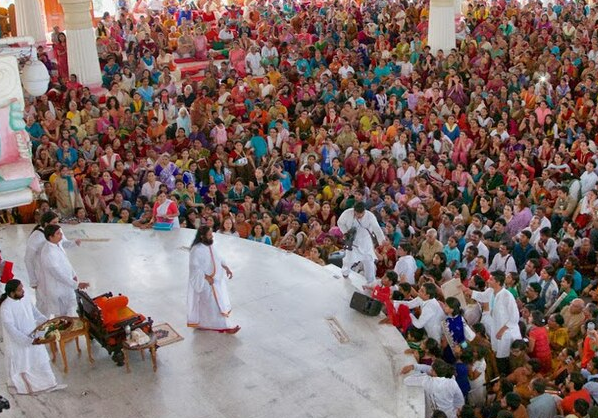
6. Lean on Relationships & Community (Satsang)
Talk about your loss with family, friends, or spiritual groups. Shared grief lightens the burden. Isolation worsens trauma; togetherness heals.

7. Anchor the Mind in Prayer, Mantra & Meditation


Chanting, meditating, or listening to bhajans calms the restless mind. Modern therapy calls it mindfulness; scriptures call it bhakti. Both bring stability when waves of grief rise.
8. Accept That Healing Takes Time
Trauma doesn’t vanish in weeks. It eases slowly—like seasons changing. Some days are heavy, others lighter. With patience, the heart regains balance.
9. Surrender the “Why” to Divine Will
The mind asks: “Why did this happen to them?” But answers rarely come. Scriptures teach surrender—seeing destiny and divine plan beyond human logic. Healing deepens when focus shifts from why to how we live in their honor.
10. Create a Daily Healing Routine
Blend small practices each day:
🌅 Morning (Start the Day with Grounding)
- Prayer / Mantra: Chant Om Namah Shivaya or the Gayatri Mantra 11 times, or silently remember your loved one with folded hands.
- Gratitude Journal (2–3 mins): Write one happy memory with them. Example: “Her smile when she sang at family gatherings.”
- Breath / Meditation (5 mins): Sit quietly, breathe slowly, imagine sending love to their soul.


☀️ Daytime (Keep Body & Mind Engaged)
- Seva or Kindness: Help someone in need, donate food, feed birds, or water plants in their memory.
- Movement: A short walk in sunlight or gentle yoga. It reduces stress and stabilizes emotions.
- Connection: Share a story about them with a family member or friend—keep their life alive, not just their death.
🌇 Evening (Reflection & Release)

- Lighting a Lamp / Candle: A symbolic act of light for their soul.
- Memory Ritual: Look at one photo, not the accident but a happy one. Speak to them in your heart, as if updating them about your day.
- Journaling / Prayer: Write down the toughest thought that came today, then close with a mantra or Shanti Path (peace prayer).
🌙 Night (Rest the Mind)
- Soothing Music / Bhajans: Soft devotional or instrumental music before sleep.
- Affirmation: Whisper, “Your love is with me, I am healing, I am safe.”
- Visualization: Picture your loved one’s soul surrounded by divine light, smiling and at peace.
✨ Over weeks, this routine gently retrains the brain: trauma memories soften, while love-filled memories take center stage. It also bridges the gap between science (routine, mindfulness) and scripture (soul, ritual, surrender).
🌺 Closing Reflection
The accident was sudden and brutal—but their pain ended instantly. It is the survivors who carry the heavy weight of trauma. Healing comes when we realize that while their body is gone, their joy, laughter, and love remain woven into us.
Trauma is indeed more painful than the accident—but with time, faith, and gentle practices, the trauma softens into remembrance, and remembrance into love.
Read how Arunima Sinha overcame her trauma here.
Call to Action
🌸 “Dear one, your grief is real and your pain is valid. Healing will not come in a day, but each breath, each prayer, each tear brings you closer to peace. Begin with one small act today—light a diya, write a memory, or sit in stillness. Your loved one’s soul is with you, and your healing is their peace. Take the first gentle step—towards light, towards life, towards yourself.”
Read blogs on SoulsyncWellness here.
External Reference
- Bhagavad Gita 2.20 – The Soul Is Eternal
This verse beautifully reassures us:
“For the soul there is neither birth nor death at any time. He is unborn, eternal, undying… He is not slain when the body is slain.”
This highlights that the essence of our loved one—their soul—continues beyond the physical accident. As It Is