Table of Contents
🌪️ What Are Tantrums?
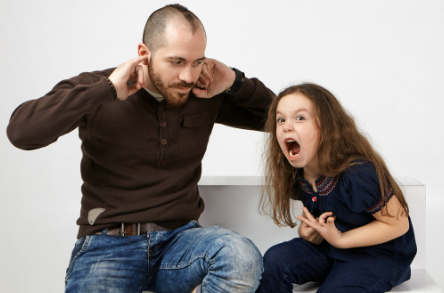
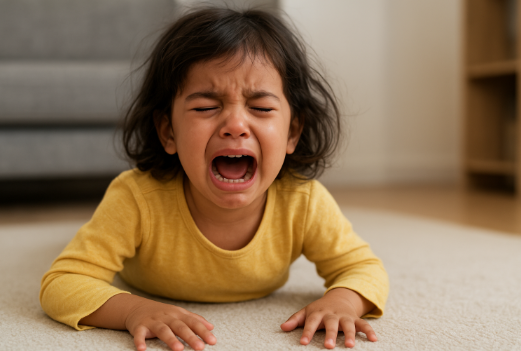
A tantrum is an emotional outburst in young children (usually between ages 1–5) when they feel overwhelmed, frustrated, or unable to express themselves. Since toddlers don’t yet have the words or self-control to handle big feelings, they release them through crying, screaming, stomping, throwing things, or even lying on the floor.
💡 Why Do Kids Throw Tantrums?
- Limited communication → They can’t explain what they want clearly.
- Strong emotions → Anger, frustration, tiredness, or hunger feel “too big” for them.
- Desire for independence → They want to do things their way (“I’ll do it myself!”).
- Attention-seeking → Testing boundaries and reactions of parents.
- Overstimulation → Too much noise, activity, or pressure can overwhelm them.
🧩 Examples of Tantrums
- A 2-year-old screaming in a store because they want candy.
- A toddler lying on the floor, kicking and crying when asked to leave the park.
- A preschooler throwing toys when told “no” to screen time.
🌱 Takeaway
Tantrums are not bad behavior — they’re a normal part of child development. It’s how young children communicate big feelings when they don’t yet know how to use words or self-control. With patience and guidance, kids slowly learn to manage emotions more calmly.
🌿 Story: A Mother’s Dilemma

Kiran sat on the floor of the supermarket aisle, her 3-year-old daughter Gudiya screaming at the top of her lungs because she refused to buy her another packet of chocolates. Other shoppers stared, some whispering, while Kiran face turned red with embarrassment.
She wanted to yell, “Stop it right now!” but something stopped her. She remembered the last time she had shouted—Gudiya had stopped crying, but she had also looked scared, confused, and withdrawn. That day, Kiran realized that tantrums are not about “bad behavior” but about a small child struggling with big emotions.
Every parent of a toddler has faced this battle—whether at home, at the park, or in public. But the real question is: How do you handle tantrums with love, patience, and firmness, without losing your own calm?
How to Handle Kid’s Tantrums
🧘 1. Stay Calm Yourself
When Gudiya screams, Kiran takes a deep breath instead of shouting back. By kneeling down to her level, she shows calmness, teaching Gudiya how to regulate emotions.
👉 Tip: Remind yourself, “This is not about me—it’s my child’s way of coping.”
💡 2. Acknowledge Feelings
Kiran says softly: “Gudiya, I know you are upset because you want the chocolate.” Naming emotions helps Gudiya feel understood instead of ignored.
👉 Tip: Label the feeling—anger, sadness, frustration—so your child learns words for emotions.
🚫 3. Don’t Give In Every Time
Last time, Kiran gave in and bought the candy to end the tantrum. This time, she stays consistent: “I know you’re upset, but we are not buying that today.”
👉 Lesson: Giving in teaches tantrums = reward. Consistency teaches patience.
🎯 4. Offer Choices

Instead of only saying “No,” Kiran gives Gudiya some power:
👉 “We’re not taking chocolate, but would you like a banana or an apple?”
Gudiya calms a little, feeling that her opinion matters.
🧩 5. Distract & Redirect

Kiran points to the colorful balloons outside the store: “Look Gudiya! That balloon is flying so high!” The sudden shift catches Gudiya’s attention, and her tears pause.
👉 Tip: Toddlers can often be gently redirected with humor, toys, or new focus.
🛏️ 6. Check Basic Needs
Kiran realizes Gudiya hadn’t napped and was hungry. Tantrums often come from tiredness or low energy. A small snack and rest later prevent another meltdown.
❤️ 7. Comfort After the Storm

After Gudiya finally calms down, Kiran hugs her and says:
👉 “I love you. Next time, let’s use words instead of crying.”
This reassurance tells Gudiya: “My behavior may be corrected, but my mother’s love never changes.”
🧘 Parenting Toolkit for Tantrums (1–5 Years)
- Patience + consistency
- Simple, calm words
- Distraction & redirection
- Offering small choices
- Setting clear boundaries
- Lots of love afterward
✨ Takeaway: Like Kiran, every parent can turn tantrum moments into teaching moments. With calmness, empathy, and firm consistency, kids like Gudiya learn to regulate their emotions—and parents learn the art of patience.
🚫 Why Parents Should Not Shout When a Child Disobeys or Throws Tantrums
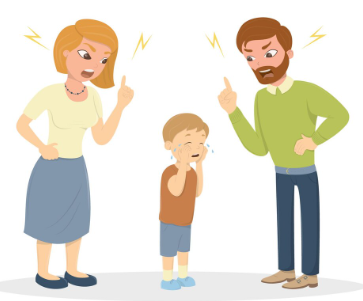
When a child misbehaves, refuses to listen, or throws tantrums, shouting may feel like the quickest way to “regain control.” But in reality, it often backfires.
⚠️ What Happens in a Child’s Brain When Parents Yell
- Stress Hormones Spike → The child’s brain releases cortisol (stress hormone), which puts them in “fight, flight, or freeze” mode.
- Learning Switches Off → The prefrontal cortex (responsible for logic, reasoning, and self-control) shuts down under stress. So the child cannot process what you’re saying.
- Emotional Memory is Stored → The amygdala (emotional center of the brain) remembers the fear, not the lesson. This can create long-term anxiety or fear of parents.
- Copy-Paste Behavior → Children’s mirror neurons pick up patterns. If yelling is the norm, they copy it in school or with siblings.
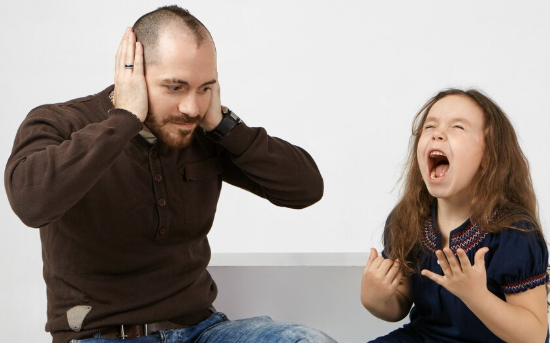
👉 In short: Yelling makes kids scared, not disciplined. Calm firmness makes them feel safe and teaches them right from wrong.
🌪️ Normal Tantrums vs. Warning Signs
✅ Normal Tantrums (Part of Healthy Development)
- Age range → 1 to 5 years old (most common in toddlers).
- Duration → Usually 2–15 minutes.
- Triggers → Hunger, tiredness, frustration, “wanting their way.”
- Frequency → A few times a week, sometimes daily.
- Behavior → Crying, screaming, stomping, lying on the floor, refusing to move.
- Aftermath → Child calms down, seeks comfort, and returns to normal play.
👉 Example: A 3-year-old cries loudly when denied chocolate, but calms down after a distraction or hug.
⚠️ Tantrums That May Be a Warning Sign
If tantrums go beyond what’s typical, they may signal underlying emotional, behavioral, or developmental concerns.
Look out for:
- Too Frequent or Too Long
- Tantrums last more than 20–30 minutes regularly.
- Occur many times every day.
- Extreme Aggression
- Child hurts self (head banging, biting self).
- Hurts others (hitting, kicking, throwing objects dangerously).
- No Calming Down
- Child cannot be soothed even after comfort or time.
- Regression
- Tantrums keep increasing instead of reducing as the child grows older (beyond age 5–6).
- Other Developmental Concerns
- Speech delay, poor eye contact, social withdrawal, or very rigid routines.
🌱 Takeaway
- Normal tantrums are a healthy way for kids to release big feelings.
- Warning sign tantrums are unusually frequent, intense, or harmful and may need professional guidance from a pediatrician, child psychologist, or counselor.
🚨 What to Do if Your Child’s Tantrums Show Warning Signs
1. Stay Calm, Not Reactive
- Even if the tantrum feels extreme, shouting back makes it worse.
- Take deep breaths, lower your voice, and model calmness — your child’s brain “mirrors” your emotions.
2. Ensure Safety First
- If your child is hurting themselves or others → gently hold them to prevent injury.
- Remove dangerous objects from reach.
3. Track Triggers and Patterns
- Keep a tantrum diary → Note what happened before, how long it lasted, and how it ended.
- This helps you (and professionals) understand root causes (hunger, overstimulation, anxiety, sensory issues).
4. Use Gentle Boundaries
- Calmly but firmly say: “I won’t let you hit.”
- Offer safe outlets → a pillow to punch, playdough to squeeze, or a quiet space to calm down.
5. Teach Emotional Words
- Instead of crying or hitting, help them say: “I’m angry,” “I’m sad,” “I want help.”
- Over time, this reduces frustration-based tantrums.
6. Strengthen Daily Routine
- Predictable sleep, meals, and play reduce stress and meltdowns.
- Too much screen time or irregular schedules often make tantrums worse.
7. Seek Professional Support
If tantrums are:
- Lasting more than 30 minutes frequently,
- Causing harm,
- Or not improving with age,
👉 Reach out to a pediatrician, child psychologist, or developmental specialist.
They can rule out underlying issues like ADHD, autism spectrum disorder, sensory processing disorder, or anxiety.
8. Take Care of Yourself Too
Handling extreme tantrums is exhausting. Parents need breaks, support groups, or counseling to avoid burnout.
🌱 Takeaway
Warning-sign tantrums are not the child’s fault and not the parent’s failure. They’re signals that the child needs extra help learning to regulate emotions. With calm parenting, structured routines, and professional support, most children improve significantly.
Many parents, out of frustration or helplessness, end up shouting or scaring their kids during extreme tantrums. But here’s why this approach is not correct and even harmful:
🚫 Why Shouting Is Not Good Even in Extreme Tantrums
1. Escalates the Storm
- When a child is already in emotional overdrive, their brain is flooded with stress hormones.
- Shouting is like adding fuel to fire → the tantrum becomes louder, longer, and more aggressive.
2. Blocks Communication
- In extreme tantrums, the thinking part of the brain (prefrontal cortex) is already “offline.”
- Shouting makes it shut down further → the child literally cannot hear logic, rules, or lessons.
3. Turns Fear Into Trauma
- A child in a severe meltdown already feels out of control.
- Shouting adds fear, which can feel traumatic — especially if it happens often.
- This doesn’t calm them; it makes them feel unsafe and even more powerless.
4. Destroys Self-Regulation Skills
- The long-term goal is to teach children how to calm themselves.
- Shouting teaches them only to fear external control.
- Later in life, they may rely on anger, avoidance, or aggression — instead of self-regulation.
5. Damages Relationship Bond
- Extreme tantrums are when kids need a parent’s calm presence the most.
- If they get fear instead, they may stop trusting the parent with their deepest emotions.
✅ What Works Instead
In extreme tantrums:

- Ensure safety first (remove harmful objects, hold gently if needed).
- Use low, calm voice: even whispering is more powerful than shouting.
- Offer comfort choices: hug, quiet space, or safe outlet (pillow, drawing).
- After calm → teach, not punish.
🌱 Takeaway
Even in the most extreme warning-sign tantrums, shouting is never a solution. It may silence the child for a moment, but it worsens emotional storms, prevents learning, and damages trust. Calm firmness is the only way to turn extreme tantrums into long-term emotional growth.
Read more blogs on holistic health here.
Listen to the expert advice from Mayo Clinic on temper tantrums—learn why staying calm, using redirection, and avoiding yelling are more effective than shouting.Mayo Clinic