Table of Contents
Child Food Chart: Infant to Teenage
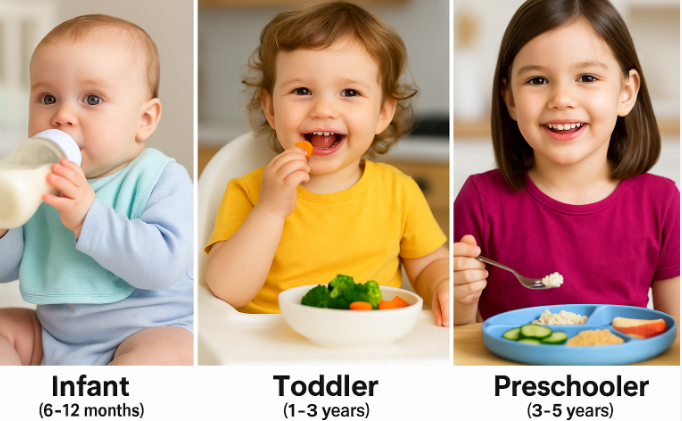
Every stage of childhood has unique nutritional needs. As your child grows—from a cuddly infant to a curious toddler and a playful preschooler—their diet must evolve to match their development. What begins as exclusive milk feeding becomes a colorful plate of fruits, grains, proteins, and more. But how do you know what’s right for your child at each age?
In this guide, we’ll break down the differences in dietary needs with tips, examples, and a comparison chart to make parenting easier
for:
- Infants (6–12 months)
- Toddlers (1–3 years)
- Preschoolers (3–5 years)
- Schooler (5-12 years)
- Teenager (12-18 years)
1. Child Food Chart – Infant (Age 6–12 Months)
🌟 What They Need:
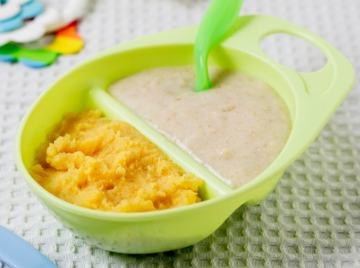
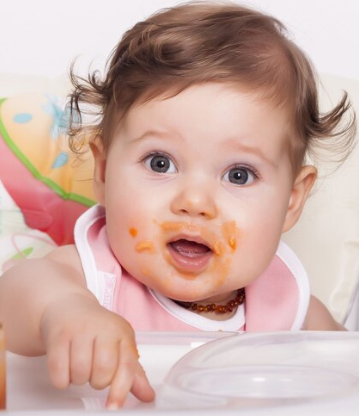
At this stage, breast milk or iron fortified formula is still the main source of nutrition. But starting at 6 months, babies need complementary foods to supply iron, zinc, and calories for their rapid growth.
🍼 What is “Formula” in Baby Nutrition?
Formula (also called infant formula or baby formula) is a specially prepared milk-based or plant-based powder or liquid that is designed to replace or supplement breast milk when breastfeeding is not possible or not sufficient.
✅ Focus On:
For 0-6 months: Only Breast Milk: Feeding Frequency: Every 2-3 hours, totaling 8-12 feeds per day including nights.As they grow feeding frequency might reduce slightly based on hunger signs.
For 6–12 months old babies, both breast milk and weaning (complementary) foods are essential for healthy growth.
Weaning Foods (Solid/Complementary Foods):
- Start with 2–3 small meals a day at 6 months.
- Gradually increase to 3–4 meals + 1–2 healthy snacks by 12 months.
Breast milk on demand
🍴 Foods to Include:
Pureed and mashed foods
Iron-rich solids: like ragi, green peas, and moong dal
Grains: Ragi porridge, suji kheer, mashed rice
Fruits: Mashed banana, apple, pear
Vegetables: Boiled carrot, sweet potato, pumpkin
Protein: Moong dal, egg yolk, paneer (mashed)
Fats: A few drops of ghee or coconut oil
Dairy: Yogurt (after 9 months, small amounts)
❌ Avoid:
Honey, whole cow’s milk, added sugar/salt, whole nuts, processed foods
Direct cow’s milk has high levels of protein and minerals (like sodium and calcium) that are hard on an infant’s immature kidneys and can lead to dehydration or kidney stress.Immature kidneys cannot handle the extra burden of salt, and added sugars can lead to preferences for these foods and hinder the intake of essential nutrients. Whole nuts to be avoided for choking risk.Honey is not given to infants under 1 year because it can contain botulism spores, which may cause a serious and potentially fatal illness called infant botulism
✅ Tips for Parents:
- Introduce 1 new food at a time and watch for allergies.
- Use soft textures – mash or puree well.
- Avoid salt, sugar, honey, and cow’s milk before 1 year.
- Offer water in a spoon or sipper with solids.
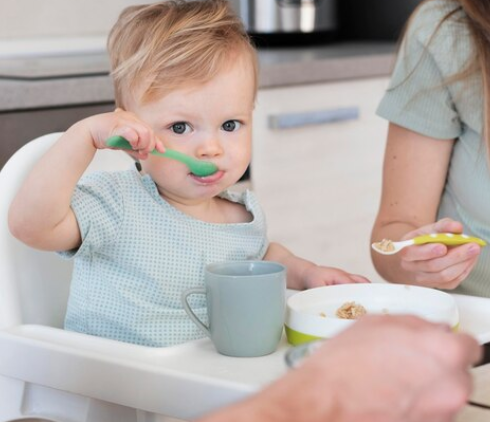
- Encourage self-feeding as baby grows (9+ months).
Sample Infant Food Diet Chart
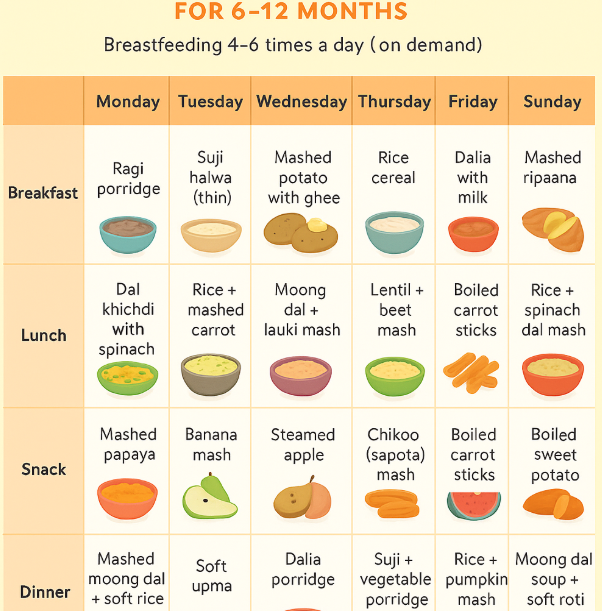
Importance of Breast Milk for Infants
Breast milk is considered nature’s perfect food for babies. It provides all the essential nutrients an infant needs for the first months of life and has lifelong health benefits.

Recommended Duration for Breastfeeding
According to WHO and UNICEF:
- Exclusive Breastfeeding:
0 to 6 months – No water, other liquids, or foods. Only breast milk. - Continued Breastfeeding:
6 months to 2 years and beyond – Along with the introduction of complementary solid foods.
Key Benefits of Breast Milk:
- Complete Nutrition:
- Contains the ideal balance of proteins, fats, vitamins, and carbohydrates.
- Easily digestible and tailored to the baby’s needs.
- Immunity Booster:
- Rich in antibodies (especially IgA) that protect against infections like diarrhea, respiratory illnesses, and ear infections.
- Reduces the risk of allergies and asthma.
- Brain Development:
- Contains DHA and other essential fatty acids that support brain growth and cognitive development.
- Emotional Bonding:
- Strengthens the bond between mother and baby through skin-to-skin contact and closeness.
- Lower Risk of Chronic Diseases:
- Reduces the chances of obesity, diabetes, and heart diseases later in life.
- Supports Healthy Gut:
- Encourages the growth of healthy gut bacteria and prevents harmful infections.
- Convenient & Safe:
- Always at the right temperature, no need for sterilization or preparation.
Why Continue After 6 Months?
Even after starting solids, breast milk remains a crucial source of:
- High-quality nutrients
- Protective immune factors
- Emotional comfort
In Summary:
Breast milk is essential for an infant’s survival, growth, immunity, and development. It should be exclusively given for the first 6 months and continued along with solid foods up to 2 years or more.
Avoid Unsafe Alternatives
- Avoid feeding sugar water, cow milk, diluted milk, or homemade formulas—they can lead to malnutrition, infections, and developmental delays.
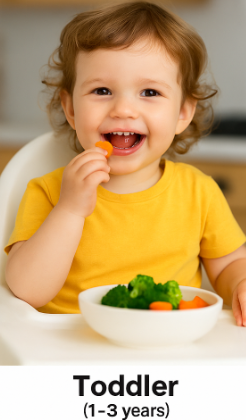
2.Child Food Chart – Toddler (Age 1–3 Years)
🌟 What They Need:
Your toddler is now walking, exploring, and burning energy. Their stomach is small but their nutritional needs are intense, especially for brain and muscle development. This is the time to build habits and introduce them to family foods.
✅ Focus On:
- 3 meals + 2–3 healthy snacks/day
- Self-feeding encouragement
- Food variety for exposure and acceptance
🍴 Foods to Include:
- Carbs: Soft roti, khichdi, millet dosa, vegetable upma
- Protein: Dal, paneer, mashed chicken/fish, scrambled eggs
- Fruits: Banana, mango, chikoo, papaya
- Vegetables: Well-cooked mixed veggies, spinach, beetroot
- Dairy: Milk (1–2 cups), curd, cheese
- Fats: Nut powders in porridge, ghee, avocado
❌ Avoid:
Hard foods that pose choking risks, overly salty/sugary foods, junk snacks
3. Child Food Chart – Preschoolers (Age 3–5 Years)
🌟 What They Need:
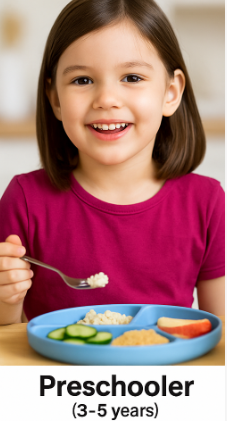
Preschoolers are now running, talking, learning—and forming food preferences. Their nutrition supports immunity, cognitive development, and bone health. They eat regular family food with slight modifications in portion size and spice levels.
✅ Focus On:
- Balanced meals across all food groups
- Building healthy eating routines
- Introducing raw fruits & salads
🍴 Foods to Include:
- Whole grains: millets, wheat chapati, oats, brown rice
- Proteins: Boiled eggs, lentils, tofu, paneer, sprouts
- Dairy: Milk, curd, cheese
- Veggies & Fruits: Raw cucumber, steamed broccoli, apples, oranges, berries
- Healthy snacks: Homemade laddoos, smoothies, roasted chana, trail mix
❌ Avoid:
Sugary juices, deep-fried items, excessive bakery goods, artificial drinks.
Preschooler Diet Chart (3–5 years)
🍽️ Daily Schedule Example
| Time | Meal | What to Include |
|---|---|---|
| 7:30–8:00 AM | Early Morning | Warm water + soaked raisins or almonds (4–5) |
| 8:30 AM | Breakfast | 1–2 idlis with ghee OR paratha with curd OR poha/upma with veggies + milk |
| 10:30 AM | Mid-Morning Snack | 1 seasonal fruit (banana, papaya, apple, mango) OR boiled sweet potato |
| 12:30–1:00 PM | Lunch | Rice or chapati + dal/lentils + vegetables + curd + salad (grated carrot/cucumber) |
| 3:30 PM | Evening Snack | Homemade snack: besan chilla, fruit smoothie, boiled corn, or murmura mix |
| 6:00 PM | Light Snack (Optional) | Handful of roasted makhana, nuts, or a mini sandwich |
| 7:30–8:00 PM | Dinner | Khichdi with ghee OR soft roti with paneer sabzi + soup |
| Bedtime | (If needed) | Small cup of milk (plain or with a pinch of turmeric or ragi powder) |
🥦 Key Food Groups to Include Weekly
| Food Group | Examples | Frequency |
|---|---|---|
| Grains & Millets | Ragi, jowar, rice, whole wheat, bajra, poha | Daily |
| Protein | Moong dal, chana, paneer, eggs, sprouts | 1–2 servings per day |
| Vegetables | Carrot, pumpkin, spinach, tomato, beetroot | 2–3 servings per day |
| Fruits | Banana, papaya, apple, guava, seasonal fruits | 1–2 fruits daily |
| Dairy | Milk, curd, paneer | 2–3 servings per day |
| Fats | Ghee, coconut, sesame oil, nut butters | Small amount in each meal |
| Nuts & Seeds | Almonds, walnuts, flaxseeds (powdered or soaked) | 3–4 times a week (small qty) |
✅ Tips for Healthy Eating Habits
- Offer small, frequent meals.
- Don’t force-feed. Let them eat based on hunger cues.
- Avoid junk foods, excess sugar, and packaged snacks.
- Use colorful plates and creative food shapes for appeal.
- Include the child during meal preparation for excitement.
🧠 Child Food Chart: Infant vs Toddler vs PreSchooler
Here’s a clear comparison of diets for Infants (6–12 months), Toddlers (1–3 years), and PreSchoolers (3–5 years) based on their nutritional needs, food types, and eating habits:
| Category | Infants (6–12 Months) | Toddlers (1–3 Years) | Preschoolers (3–5 Years) |
|---|---|---|---|
| Main Nutrition Source | Breast milk/formula + soft solids | Breast milk or cow’s milk + family foods | Family meals + snacks + milk (limited) |
| Feeding Frequency | 6–8 times/day (including milk) | 3 meals + 2–3 snacks/day | 3 meals + 2 snacks/day |
| Texture of Foods | Pureed, mashed, soft | Mashed, finely chopped, soft finger foods | Regular chopped food, finger foods, variety in textures |
| Grains & Carbs | Rice, ragi, oats, suji (porridge, khichdi) | Soft roti, rice, upma, idli, dosa, ragi | Whole grains, millets, oats, cereals |
| Proteins | Moong dal, mashed lentils, egg yolk, paneer | Lentils, mashed dal-chawal, paneer, soft egg, mashed chicken | Eggs, paneer, pulses, sprouts, tofu, fish, chicken |
| Fats | Ghee, coconut oil (in small amounts) | Ghee, nut powders, avocado, coconut oil | Ghee, nut butters, seeds, homemade laddoos |
| Fruits | Mashed banana, apple, pear, chikoo | Soft chopped fruits, banana, papaya, mango | All seasonal fruits, fruit salads, smoothies |
| Vegetables | Boiled & mashed – carrot, pumpkin, potato | Cooked veggies, mashed or soft chopped | All cooked/steamed vegetables, raw salads by 4–5 years |
| Milk & Dairy | Breast milk/formula; curd/yogurt (small quantity after 9 mo) | Cow’s milk (1–2 cups), curd, paneer, cheese | Milk (2 cups max), curd, paneer, cheese |
| Iron-Rich Foods | Ragi, green peas, mashed spinach, fortified cereals | Spinach, jaggery, dates, eggs, dal | Green leafy vegetables, eggs, ragi, sprouts, fortified foods |
| Vitamins & Minerals | Fruits, veggies, milk, sunlight (Vitamin D) | Colorful fruits/vegetables, milk, ghee, lentils | Full variety of plant-based foods + sunlight + dairy |
| Fluids | Breast milk + water (after 6 months) | Water, diluted fruit juice (occasionally), milk | Water, coconut water, buttermilk, fresh juices |
| Avoid | Salt, sugar, honey, cow’s milk as main drink, nuts, processed food | Excess sugar, salt, fried foods, whole nuts (choking hazard) | Junk food, sugary drinks, refined snacks, excess bakery items |
| Nutrient | Infants (0–1 yr) | Toddlers (1–3 yr) | Preschoolers (3–5 yr) |
|---|---|---|---|
| Vitamin A | Breast milk, veggies | Carrot, papaya | Leafy greens, mango |
| Vitamin D | Sunlight, supplements | Milk, ghee | Fortified foods |
| Calcium | Breast milk, curd | Milk, curd | Ragi, paneer |
| Zinc | Breast milk, egg yolk | Nuts, legumes | Whole grains, seeds |
| Omega-3 | Breast milk | Seeds (ground) | Walnuts, flax |
Developmental Focus by Age:
| Age Group | Focus Area |
|---|---|
| Infant | Nutrient density, iron, safe introduction of solids |
| Toddler | Growth, building taste preferences, motor skill development |
| Preschooler | Energy for play, immune support, school readiness, strong habits |
4. Child Food Chart – School Goer (Age 5-12 years)
Here’s a balanced diet plan for school-aged children (5 years and above) to support their growth, energy, immunity, and focus:
🥗 1. Daily Meal Breakdown
- Breakfast: Essential for energy and concentration.
- Mid-morning snack: Light & nutritious.
- Lunch: Filling and balanced.
- Evening snack: To refuel after activity.
- Dinner: Lighter but wholesome.
🥣 2. Key Food Groups & Examples
| Category | Why It’s Needed | Examples |
|---|---|---|
| Carbohydrates | Energy for school & play | Whole grains: millets, whole wheat chapati, oats, quinoa, amaranth seeds |
| Proteins | Growth, brain & tissue repair | Eggs, lentils, paneer, tofu, curd, beans, sprouts, fish, lean meat |
| Healthy Fats | Brain development | Nuts (almonds, walnuts), seeds (chia, flax), ghee, avocado, coconut oil |
| Fruits & Veggies | Immunity, fiber, vitamins & minerals | Seasonal fruits, leafy greens, carrots, beets, tomatoes, sweet potatoes |
| Dairy/Alternatives | Strong bones & teeth | Milk, curd, cheese, fortified plant milks |
| Fluids | Hydration | Water, coconut water, buttermilk, fruit-infused water |
🍎 3. Sample Daily Diet Chart
| Meal | What to Include |
|---|---|
| Breakfast | Positive millet vegetable umpa/poha + boiled egg OR Millet dosa /Idli + chutney + fruit |
| Snack (10 AM) | Banana + handful of almonds OR homemade laddoo + coconut water |
| Lunch | Chapati + dal + vegetable sabzi + salad + buttermilk OR millet rice + dal/sambar+ salad + curd |
| Evening Snack | Roasted makhana OR healthy millet snacks |
| Dinner | Vegetable millet dal khichdi OR millet roti + palak paneer + cucumber |
| Before Bed | Warm milk with turmeric or soaked raisins |
❌ 4. Foods to Limit/Avoid
- Packaged snacks, sugary drinks, excessive sweets
- Fried/junk food
- Excess salt & sugar
- Artificial flavorings and preservatives
🧠 5. Smart Tips for Parents
- Make food colorful & fun
- Involve children in shopping or cooking
- Set regular mealtimes
- Avoid screen-time while eating
- Be a role model — eat healthy yourself!
5. Child Food Chart – Teenage (Age 12-18 year)
Balanced Diet for Teenager
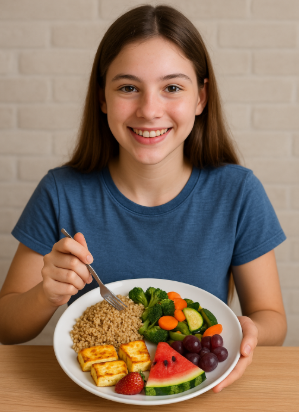
A balanced diet for teenagers should include a variety of wholesome foods that support their rapid growth and development, with millets like 5 positive millet including little millet which is good for reproductive organs health, neutral millet like ragi, bajra, and jowar offering excellent sources of complex carbohydrates, fiber, iron, calcium, and B-vitamins. Teens need a good balance of macronutrients—carbohydrates (50–60%) from whole grains and fruits for energy, proteins (15–20%) from dal, paneer, eggs, sprouts, and tofu for muscle growth, and healthy fats (20–30%) from nuts, seeds, ghee, and avocados to support brain development.
Key micronutrients include calcium (for bones), iron (for blood and oxygen), zinc and magnesium (for immunity and stress), and vitamin D (for calcium absorption), which can be sourced from sunlight, leafy greens, dairy, and seeds. Including seasonal vegetables, fruits, and millet-based meals like khichdi or roti ensures teens get a colorful, nutrient-rich plate every day.
✅ Daily Teenage Meal Plan Example
| Meal | What to Include |
|---|---|
| Breakfast | Millet Upma + fruit |
| Mid Snack | Seasonal fruit + handful of nuts/seeds |
| Lunch | Millet Roti/paratha + dal + sabzi + curd + salad |
| Evening | Sprout chaat / boiled egg / smoothie |
| Dinner | Light khichdi / soup + veg sabzi |
| Before bed | A glass of warm milk with a pinch of turmeric (optional) |
Child Food: Teenage vs School Goer Comparison
The teenage(12-18 years) diet differs significantly from a school-goer’s diet (ages 6–12) due to the unique demands of puberty and rapid adolescent growth. While both age groups need a balanced intake of nutrients, teenagers require higher amounts of protein, calcium, iron, and healthy fats to support hormonal changes, muscle development, and bone strengthening. In contrast, school-going children need a diet focused more on steady energy, brain development, and immunity, with moderate portion sizes and simpler meals. Teenagers also need more independence in food choices, making nutrition education and healthy habits even more crucial during this stage.
Child Food: Teenage vs Adult Diet Comparison
Teens need nutrient-dense meals to fuel their active bodies, hormonal changes, and emotional well-being. In contrast, an adult diet prioritizes maintenance, disease prevention, and metabolic balance, often requiring fewer calories, more fiber, and controlled portions to avoid weight gain and manage long-term health. While teens focus on building, adults focus on preserving—making their dietary goals and needs distinctly different.
Child Food vs Adult Food Chart: What’s the Difference?
| Factor | School-Aged Child (5–18 years) | Adult |
|---|---|---|
| Growth | Actively growing – needs more nutrients per kg of body weight | Fully grown – focus on maintenance or weight control |
| Energy Needs | High, due to play, school, growth | Varies – lower if sedentary, higher if active |
| Protein Requirement | Higher per kg of body weight | Lower (except in athletes or special conditions) |
| Calcium & Iron | Very high – for bone growth and brain development | Moderate – for bone maintenance, blood health |
| Meal Structure | 3 meals + 2–3 snacks (small portions, frequent) | 3 meals + optional light snacks |
| Food Preferences | Needs variety, fun presentation | Can follow structured meal plans |
| Hydration | Needs reminders, should be monitored | Adults self-monitor |
| Fat Intake | Needs healthy fats for brain development | Limited fat, focus on heart health |
| Supplements | Sometimes needed (vitamin D, iron) | Based on age or deficiency |
📝 Key Takeaway:
- A child’s diet must support active physical and mental development.
- An adult’s diet focuses more on disease prevention and balance.
- Portion size, frequency, and nutrient density differ significantly.
💞 Call to Action:
Every bite your child takes today is a step toward the adult they’ll become tomorrow—strong, joyful, and full of life. As parents, caregivers, and nurturers, you hold the power to shape their health story from the very first spoonful.
Don’t let confusion or trends decide your child’s nutrition. Let love and knowledge lead the way.
Because feeding your child isn’t just about filling a plate—it’s about filling their future with strength, smiles, and sunshine. 🌈🍲💪
📚 References:
📚 1. World Health Organization (WHO) – Infant and Young Child Feeding
- Covers global guidelines on diet from 6 months to 2 years, including nutrient needs and complementary feeding practices.
- 🔗 https://www.who.int/news-room/fact-sheets/detail/infant-and-young-child-feeding
📚 2. Centers for Disease Control and Prevention (CDC) – Toddler Nutrition
- Offers evidence-based advice on healthy eating habits, portion sizes, food safety, and mealtime tips.
- 🔗 https://www.cdc.gov/nutrition/InfantandToddlerNutrition/toddlers/index.html
📚 3. Indian Council of Medical Research (ICMR) – Dietary Guidelines for Indians
- Includes recommendations for child feeding, balanced diet, and nutrient needs for Indian diets.
- 🔗 https://www.nin.res.in/DietaryGuidelinesforNINwebsite.pdf
📚 4. HealthyChildren.org (American Academy of Pediatrics) – Feeding Toddlers
- Pediatric advice on transitioning from baby to family foods, including milk, iron, and choking hazards.
- 🔗 https://www.healthychildren.org/English/ages-stages/toddler/nutrition/Pages/Feeding-Your-Toddler.aspx
Want to know Balanced Diet for an Adult? Click here. Get to know the health benefits of Antioxidants here.
2 thoughts on “From Milk to Meals: Child Food Chart: 5 Child Diet Stages: Every Parent Must Know!”
Comments are closed.